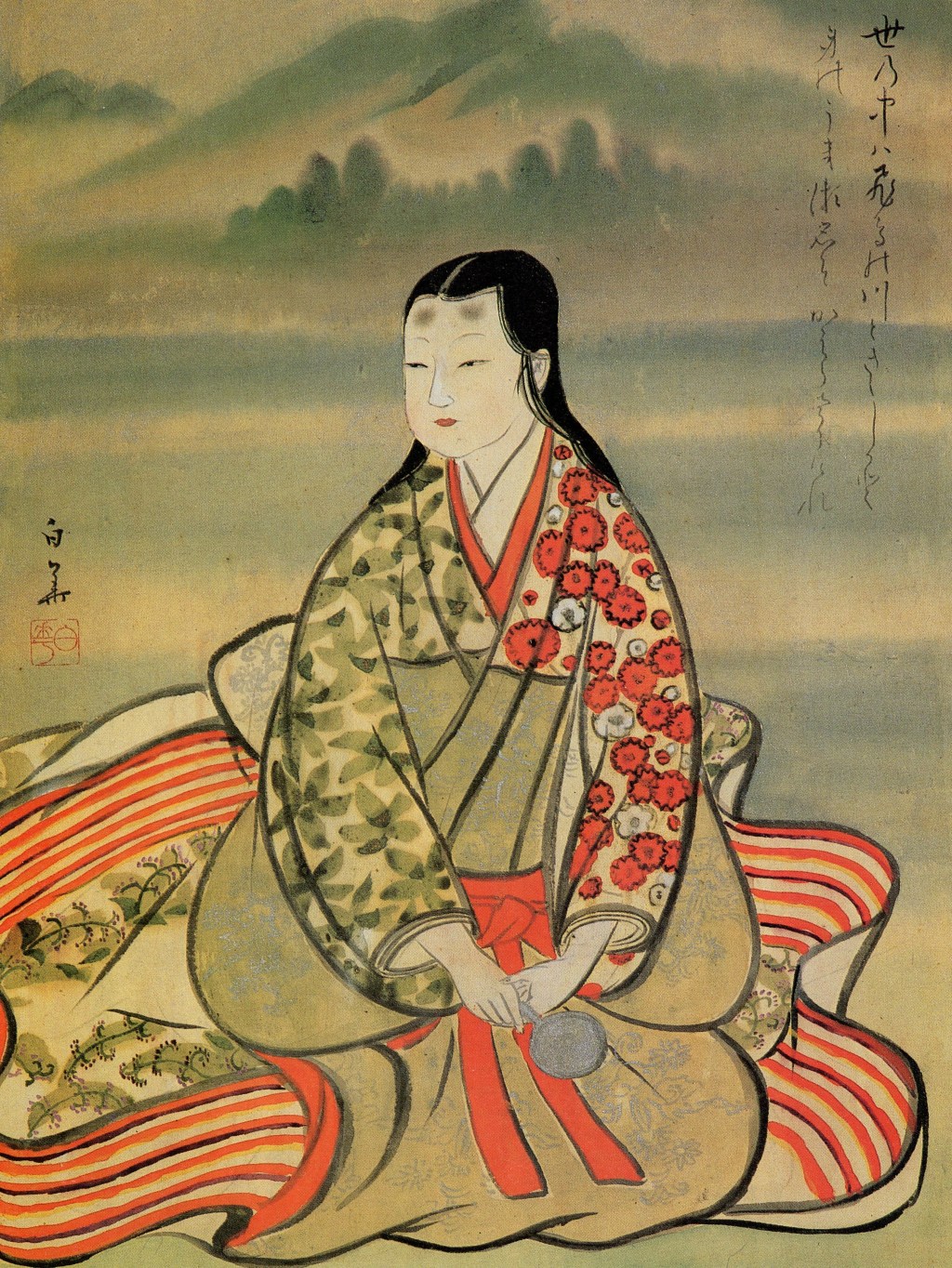
Directed by Daisuke Itō
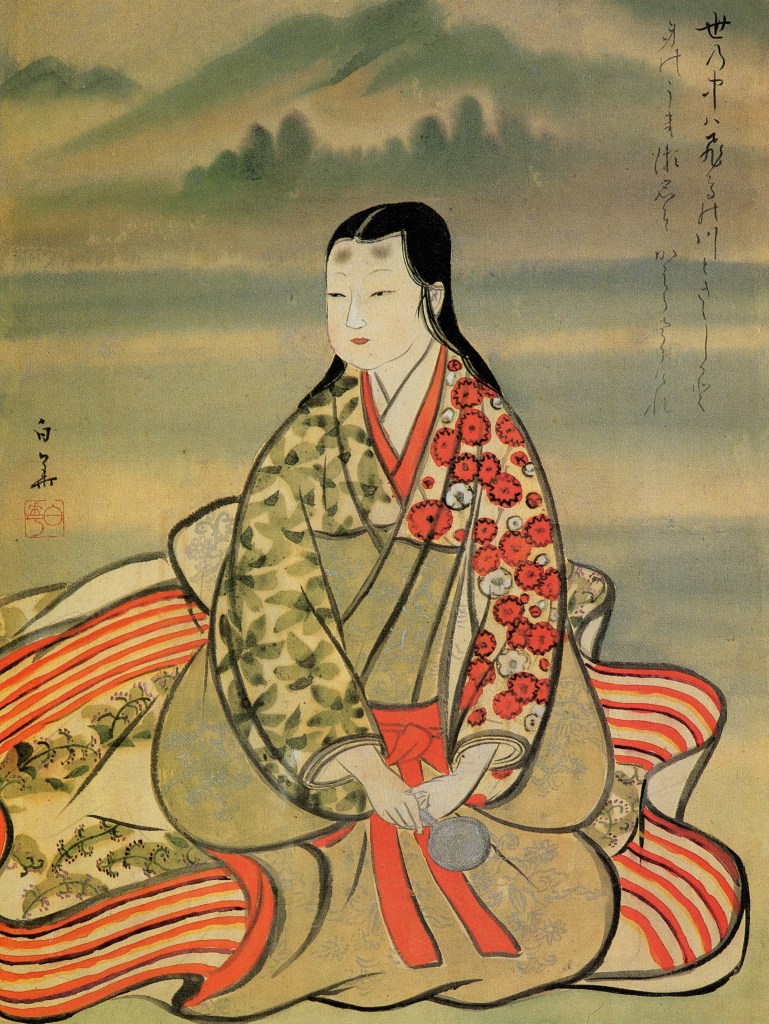
Collection of Sairai-in Temple
A bleak historical drama about a young nobleman caught in the middle of a dynastic power struggle, Hangyakuji is stunning to look at, gorgeously shot in Eastmancolor by cinematographer Makoto Tsuboi and features strong performances across the board including a bravura turn by the great stage and screen actress Haruko Sugimura as the villainous Lady Tsukiyama. Akira Ifukube’s magnificent score provides solemn accompaniment.
The English title for this is something of a misnomer as the main character whom Nakamura Kinnosuke plays is the only person who isn’t actively conspiring against anyone. Kinnosuke is one of the very few actors who can make decent young men into dimensional compelling characters. This is due not just to his good looks and skill as a performer but his considerable charm which must have been innate. As the only likable person in the entire movie his tragic fate hits very hard. Before that happens we get to see Kinnosuke dance. His Kabuki training is thrillingly evident, and he is a joy to watch.
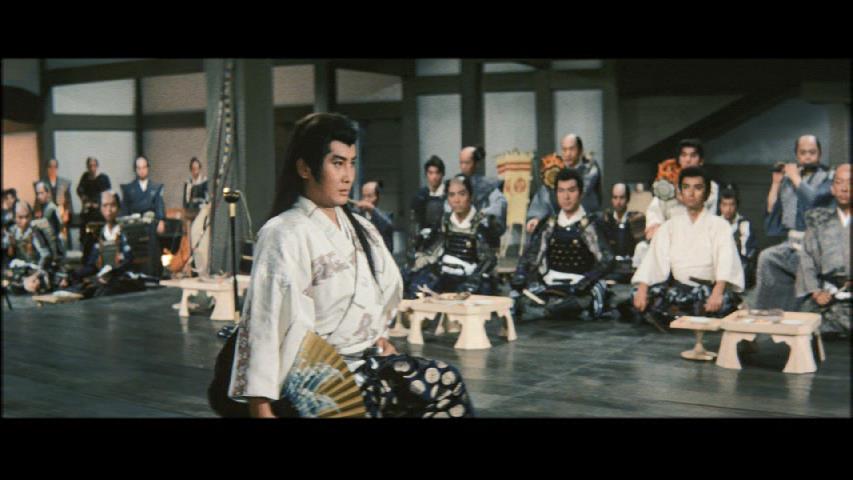
Oda Nobunaga, whom we met previously as Matsumoto Kōshirō’s abusive overlord in Teki wa Honnō-ji ni ari, is back albeit in a more subdued iteration portrayed by Ryūnosuke Tsukigata. He’s still a hard-ass, however, and Matsudaira Nobuyasu (Nakamura Kinnosuke) finds himself in the unenviable position of being Nobunaga’s son-in-law thanks to an arranged marriage intended to forge an alliance between Nobunaga and Nobuyasu’s father Tokugawa Ieyasu (Shūji Sano), whose clans were at odds.
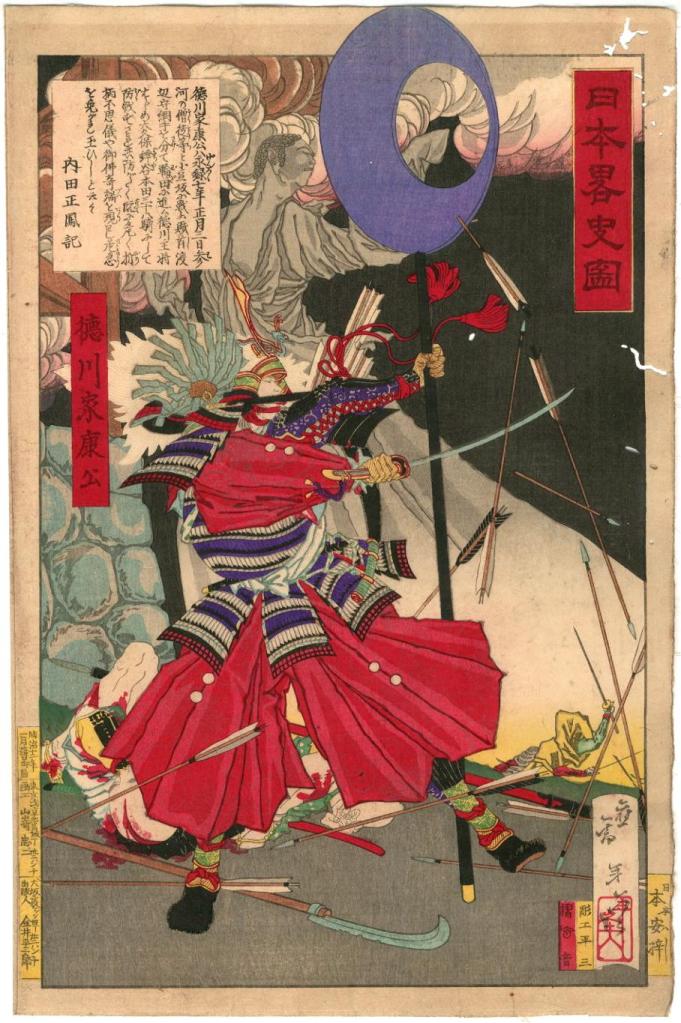
Having the chieftain of his former foes as his father-in-law is one of several stressors adversely affecting Nobuyasu’s marriage to Nobunaga’s daughter Lady Tokuhime (Kaneko Iwasaki), which does not seem to be an especially happy one. Tokuhime has not been able to give birth to a male heir, for starters. But that’s not the worst problem she faces.

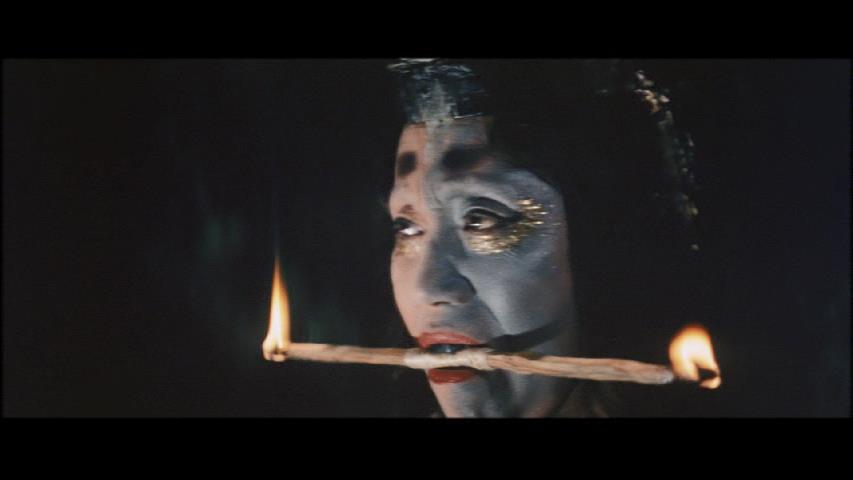
The worst problem is her mother-in-law Lady Tsukiyama. She is one of the scariest villainesses I’ve ever seen.
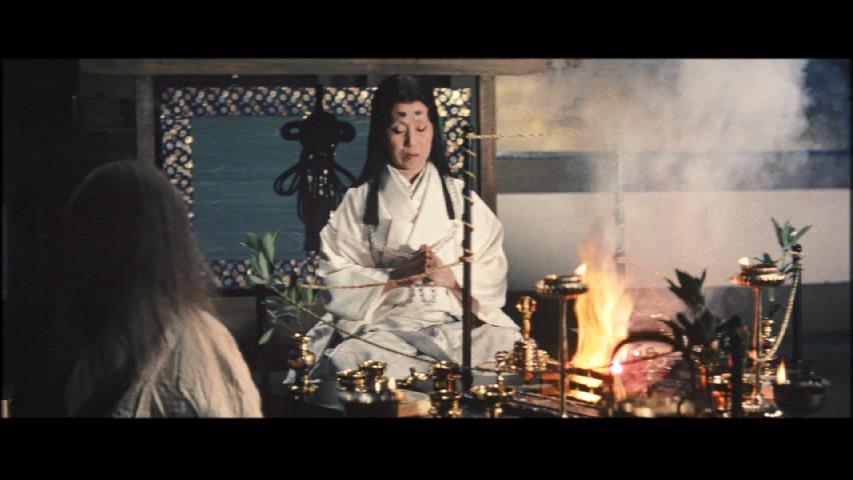
Tsukiyama practices sorcery, praying for her own grandchild to be stillborn. She despises Lady Tokuhime and cannot resist interfering with her son’s life. It is this meddling that eventually leads to his downfall as well as her own. In the end she is a pitiable figure, and the brilliance of Haruko Sugimura’s performance is that she lets us see the frightened woman underneath the demonic mask.
Hangyakuji is not without flaws: it can feel talky and stagebound. Writer-director Itō adapted the film’s script from Tsukiyama-dono Shimatsu, a Kabuki play by Osaragi Jiro. Itō directed a theatrical production of this play starring Nakamura Kinnosuke a few years after Hangyakuji’s release. That must have been an extraordinary thing to see in person. And the movie is still worth hunting down. An un-subtitled version is available on DVD. A streaming version with English subtitles is also around if you know where to look.

You should be aware that the last three minutes of the film graphically depict death by ritual suicide. It is GRIM. Consider yourselves warned.


Leave a Reply